
Gala
In the home care category, retail push plays a key role in driving product movement. With multiple brands competing for attention, motivating retailers consistently becomes critical.
Gala used a milestone-based reward system to turn routine selling into a goal-driven activity, where every sale contributed towards a reward.
Read more to see how Gala used structured retailer incentives to drive consistent product movement across markets.
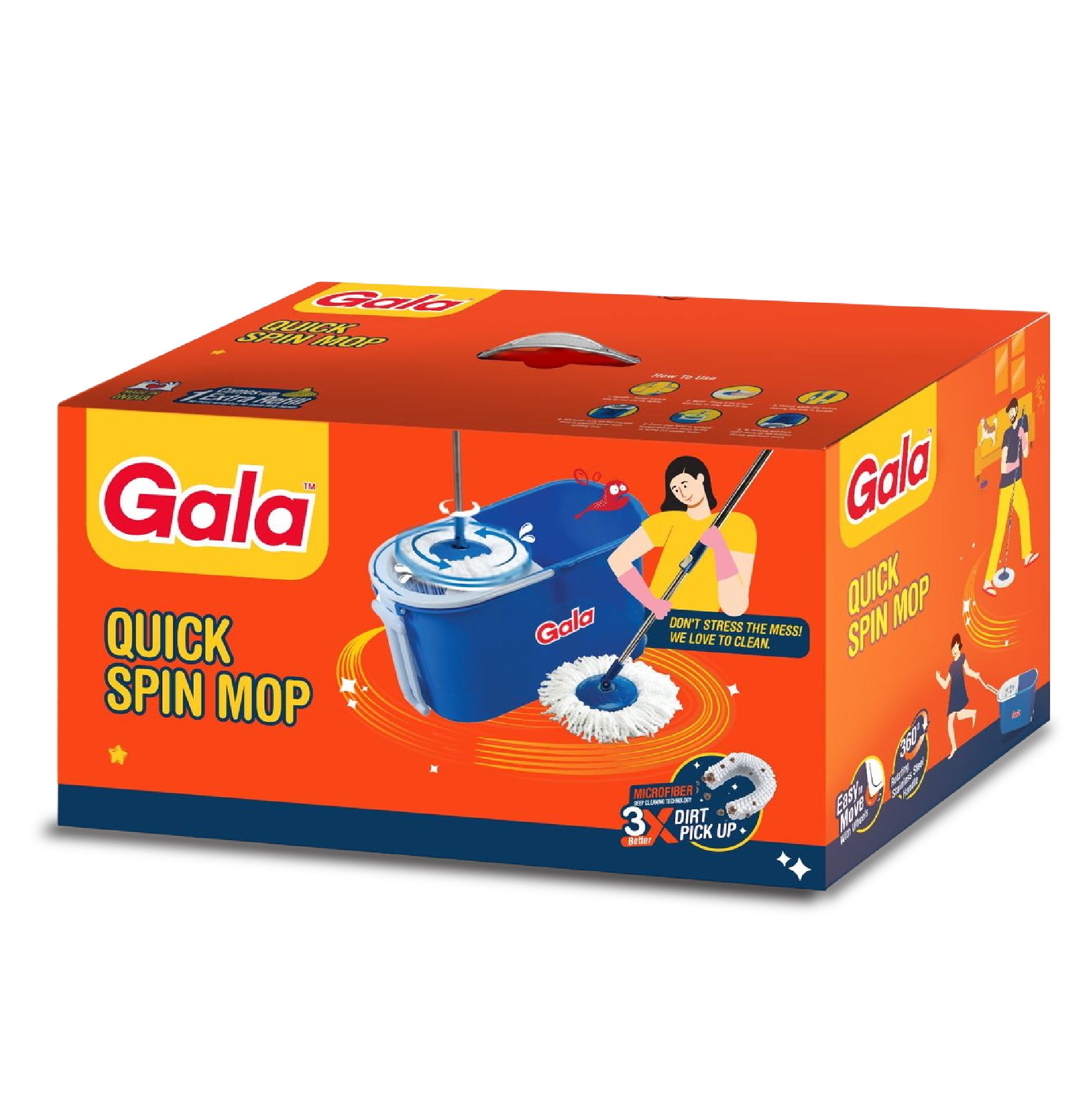
How Gala Used a Milestone-Based Retailer Reward Program to Drive Measurable Product Movement in Home Care
Walk into any neighbourhood store and look at the shelf of household cleaning products. Multiple brands, similar pricing, comparable margins. The product that moves fastest is rarely the one with the best packaging. It is usually the one the retailer chooses to push.
That choice is the quiet decision most trade marketing teams underestimate. Read More
The Problem With How Retail Incentives Usually Work
In the home care category, product movement depends heavily on retail push. A retailer who actively recommends a brand, keeps it within reach, and reorders without prompting will outperform passive shelf presence every time. The challenge is that most trade schemes are not built to earn that behaviour consistently. Also Read: Channel Incentive Models Compared: Points, Rebates, Spiffs and More.
Traditional incentive structures tend to fail in predictable ways. Rewards are unclear. Payout timelines are long. The retailer cannot easily see how close they are to earning anything, so motivation fades once the initial novelty wears off. The result is a scheme that exists on paper but does little to change what happens at the counter day to day.
Gala was operating in exactly this environment. The product range had reach and distribution across key markets. What it needed was a way to keep retailers engaged continuously, not just during a launch window, and to tie that engagement directly to measurable sell-through.
A Different Way to Structure the Reward
Instead of a flat scheme or a one-time discount, Gala built its program around a milestone-based reward structure. The logic was simple but deliberate: give retailers a clear target, show them their progress toward it, and release a reward each time they cross a defined level. This is the foundation of trade promotions that actually move inventory rather than just clear it.
The structure was designed to do something most schemes do not. It rewarded both entry-level participation and higher performance, so a retailer just starting out had a reason to engage, while a high-performing one always had a bigger goal ahead. Each milestone created a visible next step, turning routine ordering into a goal-driven activity where every sale moved the retailer closer to the next reward tier. Sustaining that engagement is what a strong channel partner program is built to do. Also Read: Motivating Channel Partners: Incentives and Training.
Exactly how the tiers were structured, what rewards sat at each level, and how progress was tracked are detailed in the full case study. What the approach made clear is that when retailers can see the link between effort, progress, and reward, they stop treating the brand as one of many and start treating it as the one worth pushing.
What This Reveals About Retailer Motivation
The deeper insight here is not about Gala specifically. It is about how performance-linked rewards change behaviour at scale.
A retailer pushes what reliably benefits them. When the reward arrives without clarity or feels disconnected from their actual sales, that push weakens. But when the program creates a steady reward loop, where every milestone reached unlocks the next, participation becomes habitual rather than occasional. The brand stops competing for attention scheme by scheme and starts occupying a consistent place in the retailer’s daily decisions. The right rewards and incentives structure is what makes that shift stick.
That shift is what separates a campaign that spikes briefly from one that sustains product movement across an entire network of stores.
For brand and trade marketing teams working in high-competition, mass-distribution categories, this case study raises a question worth sitting with: is your current retailer incentive built to create a one-time bump, or is it structured to keep retailers pushing your product long after the scheme launches?
If you want an incentive that keeps retailers pushing well past launch week, reach out to Buyerr, and follow Buyerr on LinkedIn for more trade marketing insights.
Download the full case study to see how Gala structured its milestone-based reward program, how it activated retailers across key markets, and what the numbers showed once performance and rewards were finally aligned.
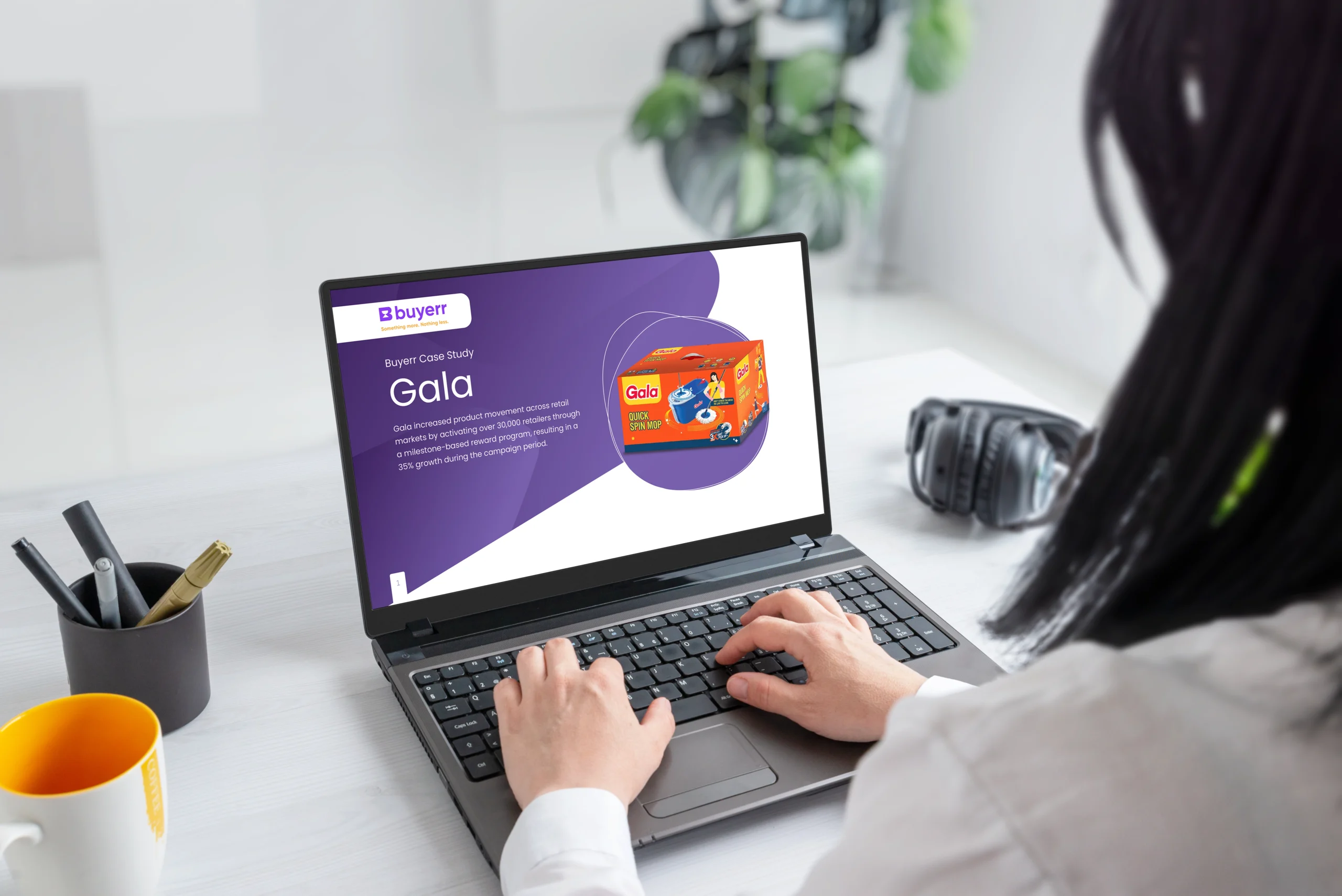
Download the full case study to explore how Gala used milestone-based retailer rewards to activate 30K+ retailers and drive 35% growth in product movement.

