Planning campaigns is difficult. Not because we lack ideas. It’s difficult because planning windows are short.
Across most brand teams, the same pattern repeats every year. Dates are known. Budgets are tentatively marked. But campaign thinking begins only when timelines tighten. At that point, even strong ideas struggle to execute well.
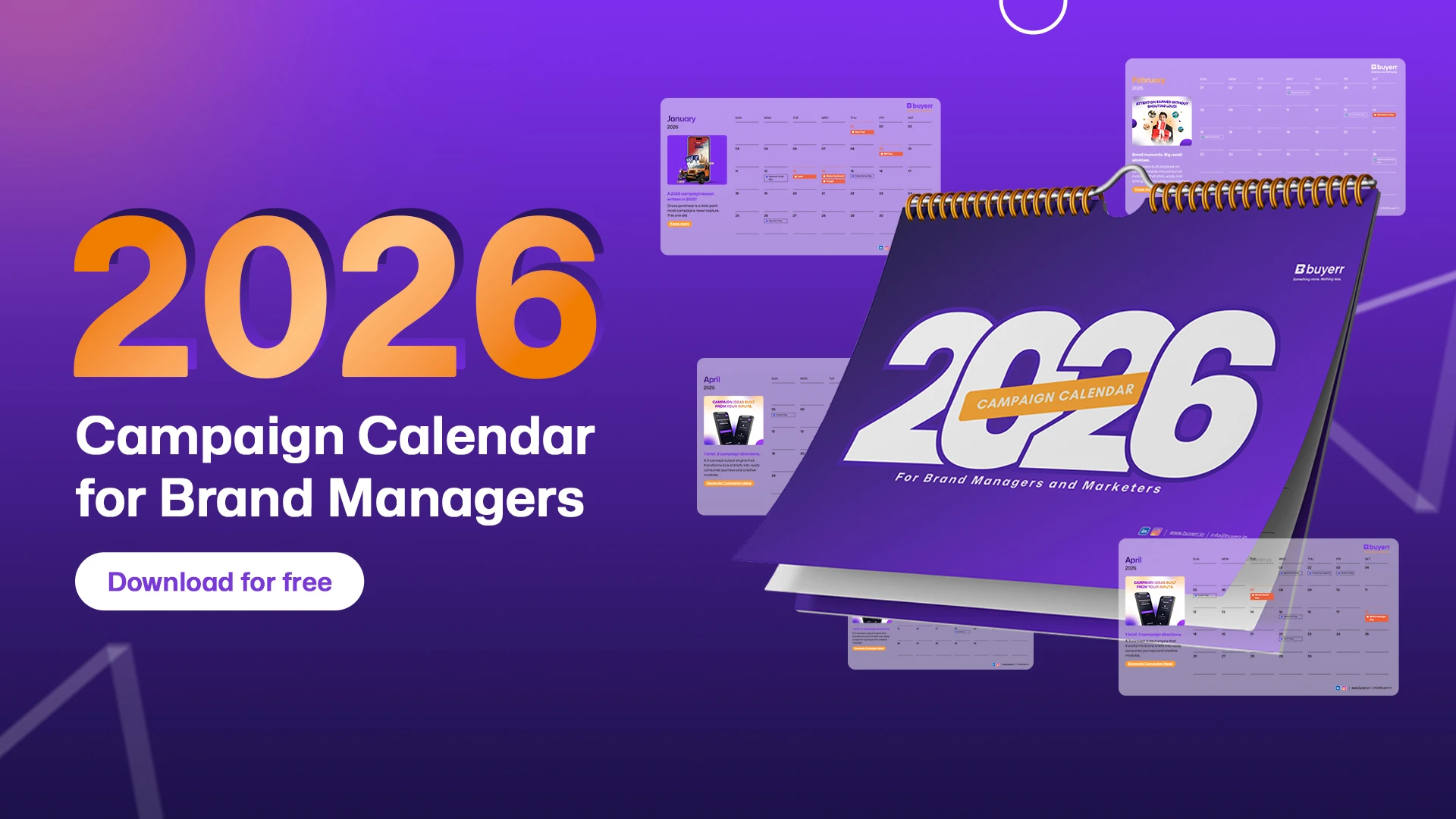
That’s where a structured marketing calendar for 2026 becomes useful as a planning aid that helps teams think earlier and with more intent.
This blog explains:
- Why early planning changes campaign outcomes
- How brand teams can use a campaign calendar more strategically
- What kinds of festive and topical campaign formats actually work today
- How loyalty, rewards, and participation-led campaigns fit across the year
You’ll also find a free 2026 Marketing Calendar, built to reduce last-minute pressure and support better decision-making.

Download the Free 2026 Marketing Calendar
If you want to:
- Reduce last-minute campaign pressure
- See which days brands actually activate
- Explore practical campaign formats for 2026
- Plan loyalty and engagement with more intent
Why Early Planning Still Decides Campaign Quality
Most campaign stress comes from compressed timelines.
When planning starts late:
- Consumer behaviour isn’t fully considered
- Campaign formats default to what’s familiar
- Execution becomes tactical instead of thoughtful
A well-structured marketing calendar 2026 helps brand managers:
- Identify high-intent moments early
- Separate high-impact dates from noise
- Allocate budgets with clarity
- Brief agencies and internal teams with direction
Instead of reacting to dates, teams can design campaigns around behaviour, participation, and outcomes.
Not Every Date Needs a Campaign. These Are the Ones Teams Actually Act On.
One insight that consistently shows up in planning conversations:
brands don’t activate everything, they activate selectively.
Across categories, certain days attract disproportionate attention:
- High participation festivals
- Cultural moments tied to purchase behaviour
- Sporting seasons and collective-viewing events
- Calendar moments that support loyalty or repeat purchase
In the 2026 Marketing Calendar, we’ve highlighted the days brand managers most often plan campaigns around because they’re the most actionable.
This helps teams focus energy where it actually converts.
Beyond Dates: What a Modern Campaign Calendar Should Enable
A useful consumer promotion calendar doesn’t prescribe creativity.
It creates clarity.
For each key moment, the calendar prompts teams to think through:
- Why this moment matters for the audience
- What behaviour can realistically be driven here
- Which campaign formats are best suited
- How rewards or loyalty mechanics can be layered in
Rather than locking brands into a single idea, the calendar offers campaign directions that teams can adapt based on category, geography, and scale.
This is where campaign ideas, formats, and tools come together practically, and without overengineering.
Campaign Formats That Continue to Work
Based on recurring execution patterns across industries, a few formats continue to outperform when planned early:
Participation-Led Campaigns
UGC, predict-and-win, quizzes, and scan-led actions work best when audiences have time to engage, not rush through.
Reward-Driven Promotions
Instant cashback, assured rewards, and scratch-based mechanics consistently drive participation without heavy discounting.
Loyalty & Repeat Engagement
Campaigns that don’t end at redemption, but feed into loyalty loops, build longer-term value.
Seasonal & Contextual Activations
Festivals, sporting seasons, and cultural moments work best when the campaign feels native to the moment, not layered on last minute.
The calendar includes prompts for where these formats make sense.
Where Loyalty Planning Fits (Especially in India)
India remains a repeat-driven market.
Which means campaign planning works best when it’s spread across the year, not limited to one or two festivals.
When loyalty is planned into the calendar:
- Festivals become retention opportunities
- Rewards feel timely, not transactional
- Engagement compounds across touchpoints
This approach also helps brands move away from the “only during Diwali” mindset and design steadier engagement rhythms.
How the 2026 Marketing Calendar Was Built
This calendar is grounded in real planning conversations across:
- Metros
- Tier 2 markets
- Tier 3 markets
Each highlighted moment includes:
- The occasion
- Why brands typically activate here
- Campaign formats that suit the moment
- Guidance on how rewards, promotions, or loyalty can be applied
The intent is simple:
help teams think earlier, plan smarter, and execute with confidence.
Who This Calendar Is For
This calendar is useful if you are:
- A Brand Manager planning annual or quarterly campaigns
- A Marketing or Growth Manager juggling multiple channels
- An Agency planner building sharper frameworks
- An early-career marketer learning how planning actually works
If campaigns are part of your role, this calendar earns its place in your workflow.
👉 Download the free 2026 Marketing Calendar
It’s designed to save time, reduce mental load, and make planning feel more deliberate.
Follow us on Instagram for more information.