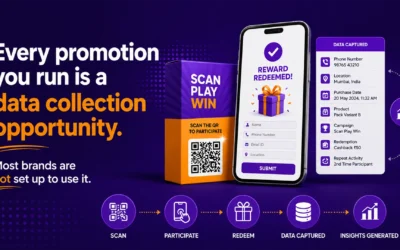

In India, consumer promotions are no longer evaluated only on creativity or reach. They are increasingly examined through the lens of regulation, transparency, and consumer rights. What may appear to be a simple cashback campaign or festive contest can quickly fall under regulatory scrutiny if claims, disclosures, or reward structures are not clearly defined.
Consumer awareness has grown. Enforcement actions by authorities such as the Central Consumer Protection Authority have also become more visible. As a result, consumer promotion compliance has shifted from being a backend legal exercise to a core planning requirement for marketing teams.
Understanding the regulatory guidelines in India is all about ensuring that promotions are structured in a way that protects both brand credibility and long-term growth.
Let’s get into it.
TABLE OF CONTENTS
- Why Consumer Promotion Compliance Cannot Be Ignored
- Key Areas of Compliance for Consumer Promotions in India
- A Practical Compliance Review Before Launch
- Closing Note
Why Consumer Promotion Compliance Cannot Be Ignored
Promotions operate at the intersection of advertising law, consumer protection, taxation, and data governance. Under the Consumer Protection Act, 2019, misleading advertisements and unfair trade practices may attract monetary penalties, mandatory modification or withdrawal of advertisements, and restrictions on endorsers.
The Central Consumer Protection Authority has taken action in cases involving exaggerated claims, concealed conditions, and misleading pricing representations. The regulatory expectation is straightforward: if a benefit is promised, it must be deliverable, transparent, and substantiated.
In this environment, legal compliance in marketing must be integrated into campaign design rather than addressed after launch.
Key Areas of Compliance for Consumer Promotions in India
1. Truthful Advertising and Substantiated Claims
All promotional communication is required to be honest and not misleading. Claims relating to product performance, chances of winning, reward assurance, or comparative superiority must be supported by evidence.
Under the Guidelines on Prevention of Misleading Advertisements and Endorsements for Misleading Advertisements, 2022:
- Advertisements must not conceal material information
- Prohibited goods or services must not be promoted directly or indirectly
- Endorsers may be penalized for misleading representations
If a campaign refers to “assured rewards,” the conditions under which those rewards are granted must be clearly stated. If a brand claim is made, it must be supported by verifiable data.
2. Clear and Accessible Terms and Conditions
Ambiguity in terms and conditions is one of the most common triggers for complaints. For consumer promotion compliance, the following must be explicitly disclosed:
- Eligibility criteria
- Participation mechanics
- Campaign duration
- Geographic applicability
- Selection methodology
- Reward value and redemption timelines
- Applicable taxes or deductions
Terms should be easily accessible and written in clear language. Critical conditions should not be buried in fine print.
3. Influencer and Endorser Liability
Recent regulatory advisories have clarified that celebrities and influencers may be held accountable for endorsing misleading or unlawful activities. When promotions are amplified through digital creators, it must be ensured that:
- Claims are verified
- Paid partnerships are disclosed
- The promoted product or activity is lawful
Perception created through endorsement carries regulatory implications. Due diligence is expected from both the brand and the endorser.
4. Pricing Transparency and Representation
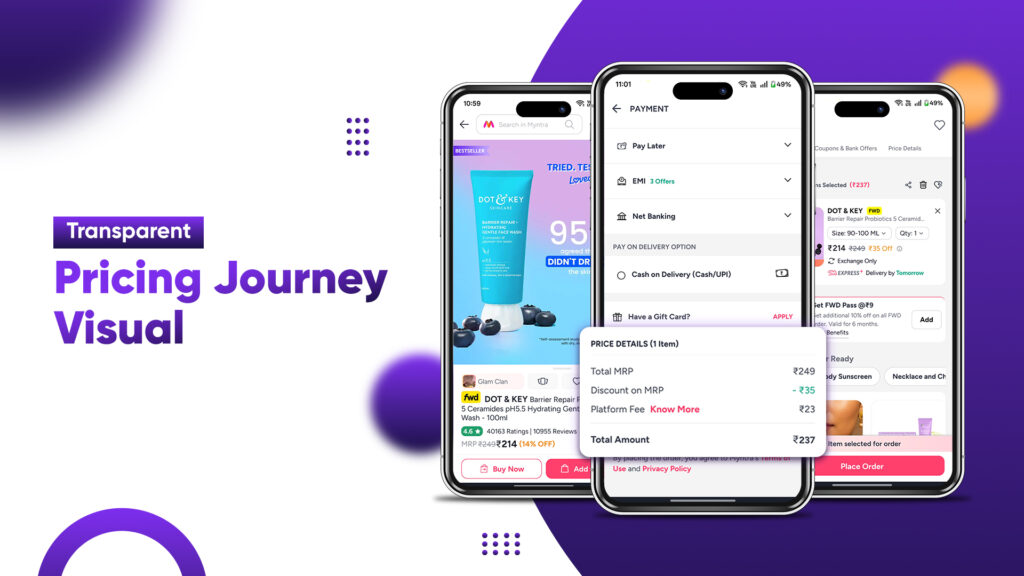
Promotional pricing must accurately reflect the final payable amount. Misrepresentation of price, including the addition of charges at checkout after advertising an “inclusive” price, may be treated as misleading.
All fees, taxes, and mandatory charges must be clearly communicated upfront. Transparency in price representation forms a core part of regulatory guidelines in India relating to consumer protection.
5. Data Privacy and Consent in Promotions
Most digital promotions require the collection of personal data. This creates obligations around:
- Clear and informed consent
- Stated purpose of data usage
- Secure storage and processing
- Opt-out or withdrawal mechanisms
Data should only be collected to the extent necessary for the promotion. Privacy compliance should be built into campaign architecture from the outset.
6. Tax Implications on Rewards
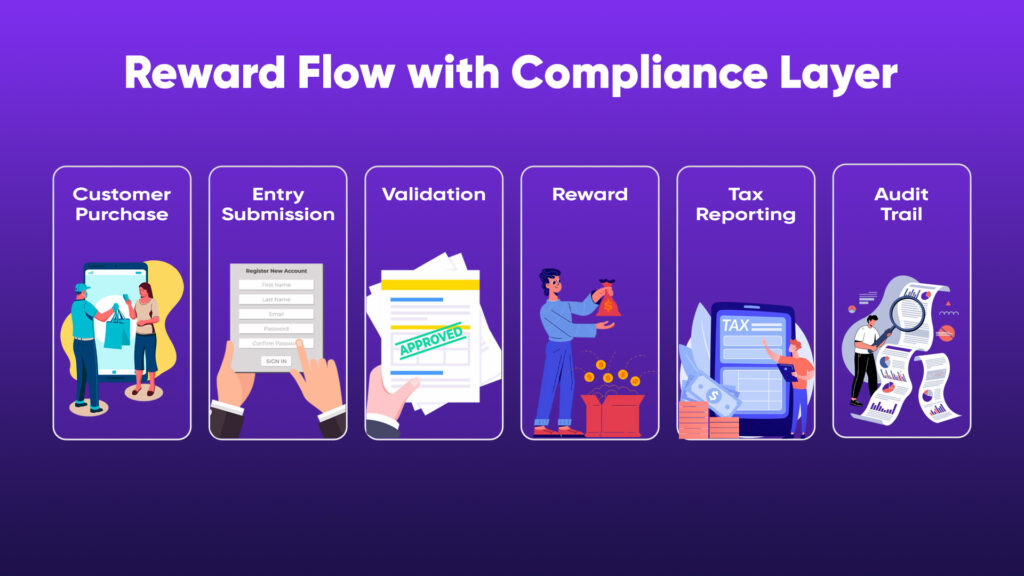
For trade or channel promotions, financial compliance must also be evaluated. Under Section 194R of the Income Tax Act:
- A 10 percent TDS applies to business rewards exceeding ₹20,000 annually
- Non-cash incentives such as vouchers, merchandise, and travel are covered
- The company offering the reward is responsible for deduction and reporting
Reward design must therefore be aligned not only with marketing objectives but also with finance and tax obligations.
7. Fraud Prevention and Fair Participation
Fairness is an implicit compliance expectation. Mechanisms should be implemented to prevent:
- Duplicate entries
- Fake proof-of-purchase submissions
- Multiple account misuse
Transparent winner selection processes and validation controls strengthen both consumer trust and compliance posture.
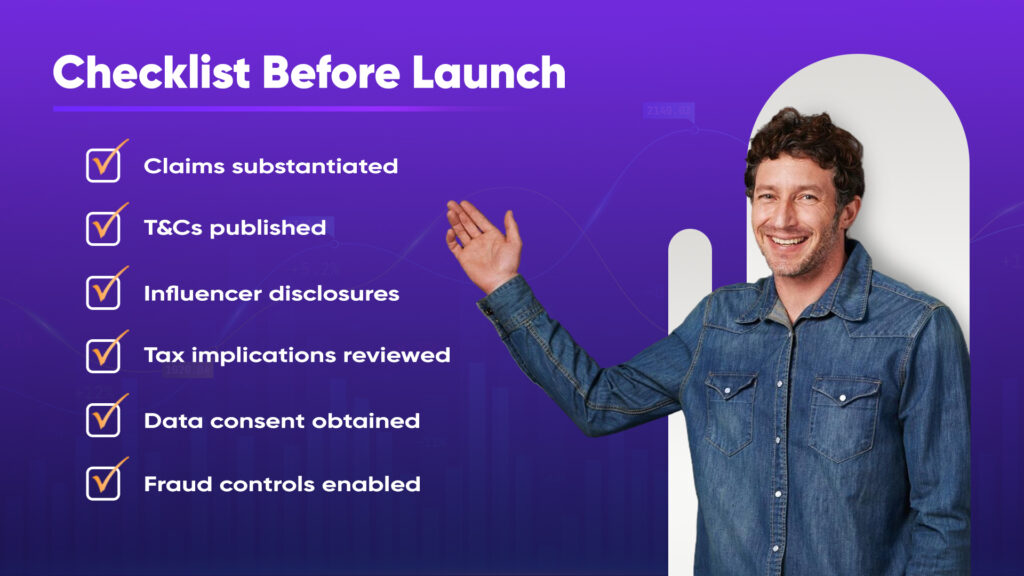
A Practical Compliance Review Before Launch
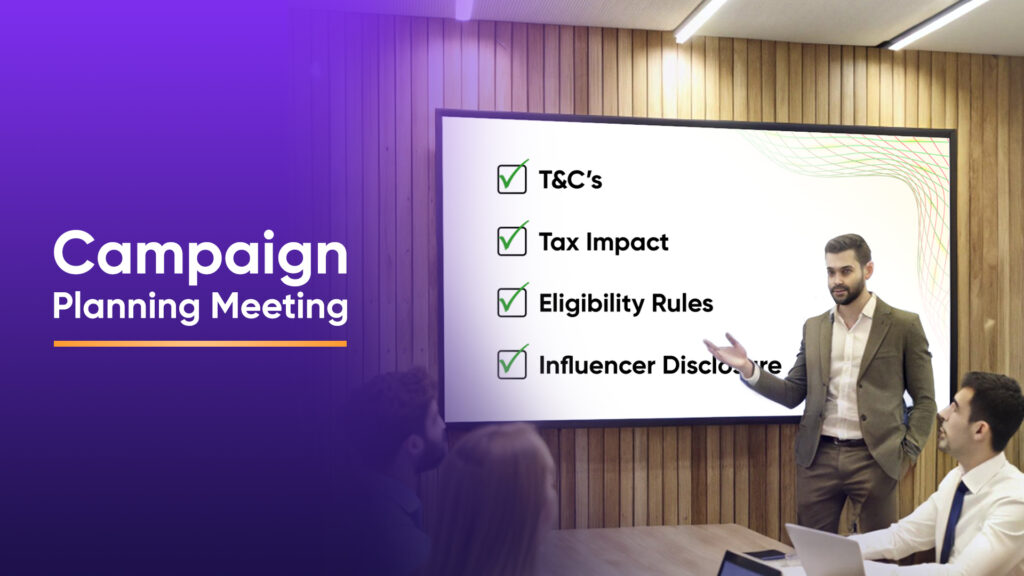
Before any promotion is launched, the following questions should be considered:
- Are all promotional claims substantiated?
- Are material conditions clearly disclosed?
- Is the reward structure transparent and deliverable?
- Are influencer disclosures compliant?
- Has data consent been properly structured?
- Are pricing representations accurate across the user journey?
- Have tax implications been evaluated where applicable?
If any of these areas remain uncertain, further review should be undertaken prior to campaign activation.
Closing Note
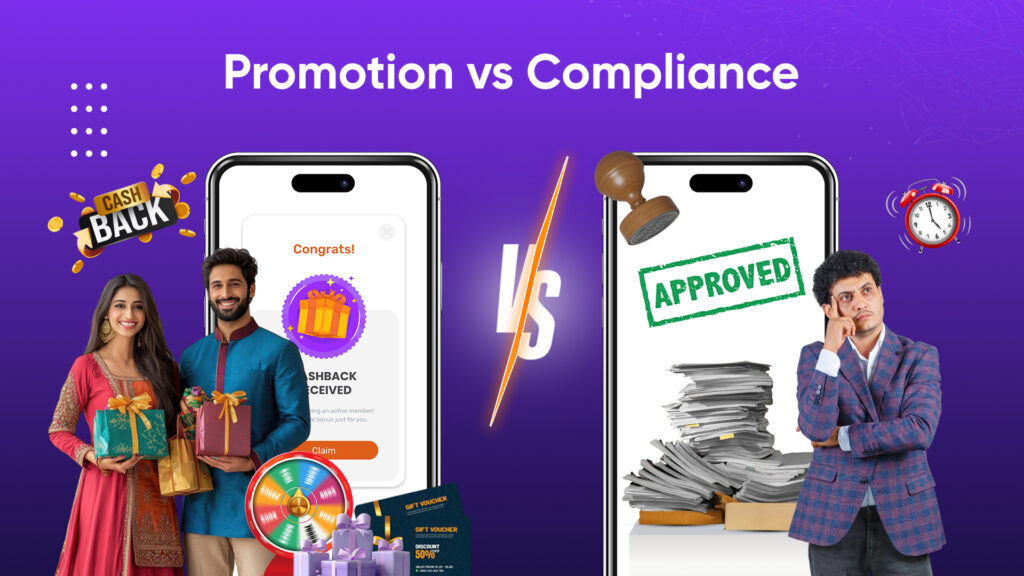
Consumer promotions in India are being evaluated with increasing regulatory attention. While creativity drives engagement, structure ensures sustainability. Consumer promotion compliance should be viewed as a stabilizing framework.
When regulatory guidelines in India are understood and integrated early, campaigns can be scaled confidently without exposing the brand to avoidable legal or reputational risk.
If this has prompted a second look at how your consumer promotions are structured, circulate it internally before launch approvals are locked in.
To explore compliant promotion frameworks, write to us at [email protected] or follow our updates on LinkedIn.