If you’re responsible for revenue in 2026, you probably don’t need another trend report. You already know this isn’t a “run one big festive consumer promotions and relax” kind of market anymore. Volume is harder. Margins are tighter. And consumers? They’re faster at switching than ever before.
But here’s the interesting part. Designing promotions hasn’t evolved as fast as consumer behaviour has. So instead of dramatic predictions about the future, let’s talk about what we’re actually seeing on the ground and what that means for you.
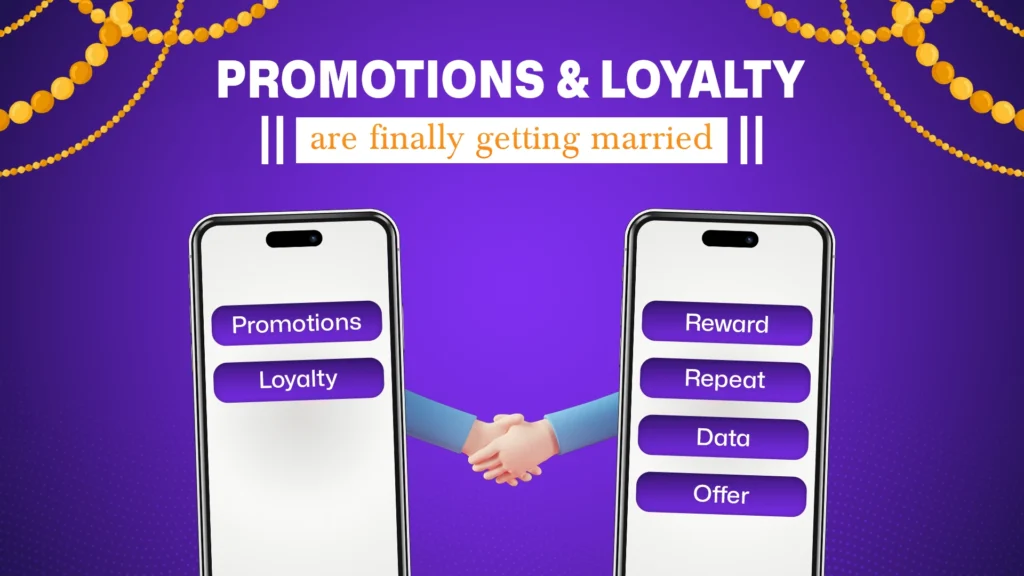
1. Consumer Promotions and Loyalty are finally getting married
For years, many brands treated them like cousins who met only during Diwali.
Promotions ran to push volume.
Loyalty ran quietly in the background, collecting points.
In 2026? They’re becoming one engine. They are overlapping. For example, instead of running a flat 15% festive discount for everyone, brands are experimenting with something slightly smarter:
“Register and unlock 15%.”
“Scan to access cashback.”
“Members get early access pricing.”
Notice what’s happening? The discount hasn’t disappeared. But it’s no longer blind. It’s now tied to behaviour.
And that’s important, why? Because margins don’t allow careless discounting now. If you’re giving value, you want something back, don’t you?
Let’s say data, registration, repeat behaviour, and channel visibility. Anything.
That shift alone makes promotions more sustainable. And honestly? It was overdue.
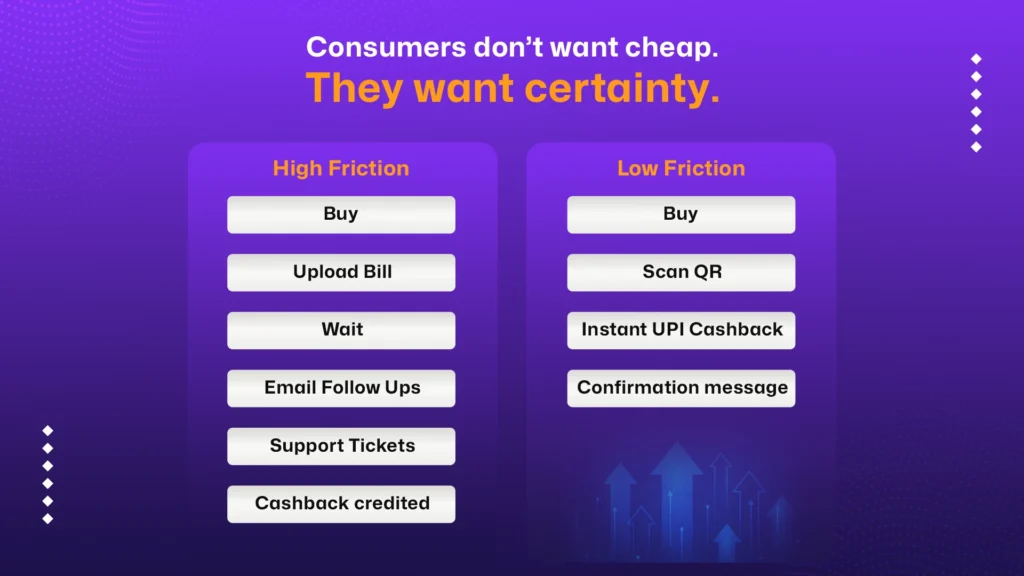
2. Consumers don’t want cheap. They want certainty.
This is a big one. Yes, value matters. But what consumers are really chasing in 2026 is certainty.
Certainty that:
- Cashback will come instantly
- Claim won’t take 45 days
- They won’t get stuck in a redemption maze
- The reward is real
Let’s say two brands offer ₹100 cashback.
Brand A:
Upload the invoice. Wait 21 days. Track claim status.
Brand B:
Scan QR. Get UPI cashback instantly.
The reward amount is the same. The emotional experience is not. It turns out that consumers today don’t want to wonder whether the reward will actually come through. They don’t want to chase customer care. We mean, yeah. Why would they? Why would anyone?
They want clarity. Certainty. Speed. It sounds basic, but friction quietly kills repeat engagement. Most brands don’t even realise that’s what’s happening.
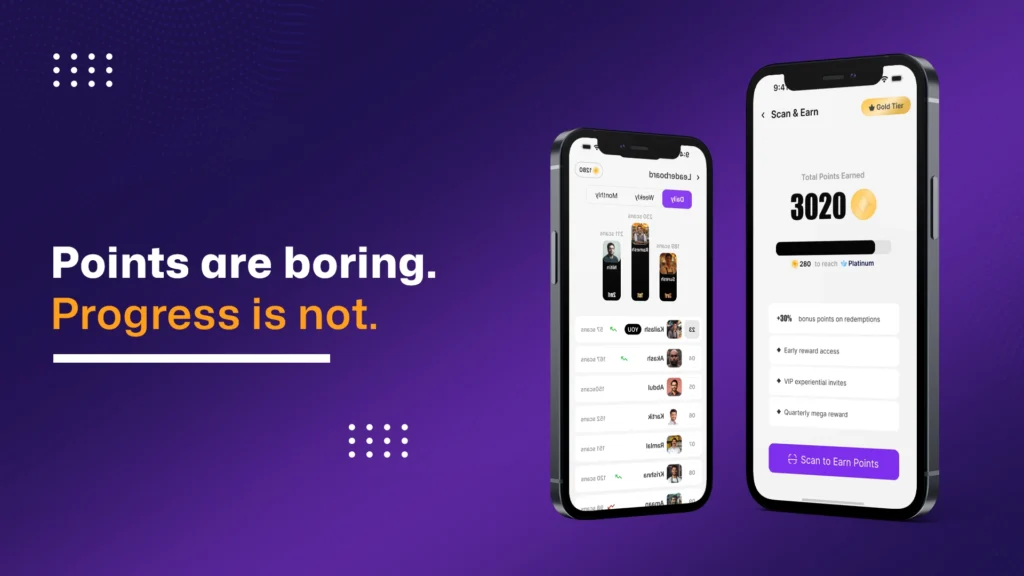
3. Points are boring. Progress is not.
Here’s something most dashboards might not show. When a customer sees “1,240 points earned”, it doesn’t mean much emotionally. But when they see:
“You’re one purchase away from Gold.”
“Complete 2 more scans to unlock 2x rewards.”
“Top 10% members this month get exclusive access.”
That’s different. Now there’s movement. A direction. We’ve seen this especially in FMCG and retail categories where frequency matters more than one big purchase.
Gamification in 2026 is required. It’s all about structured progression. That’s what drives repeat behaviour.
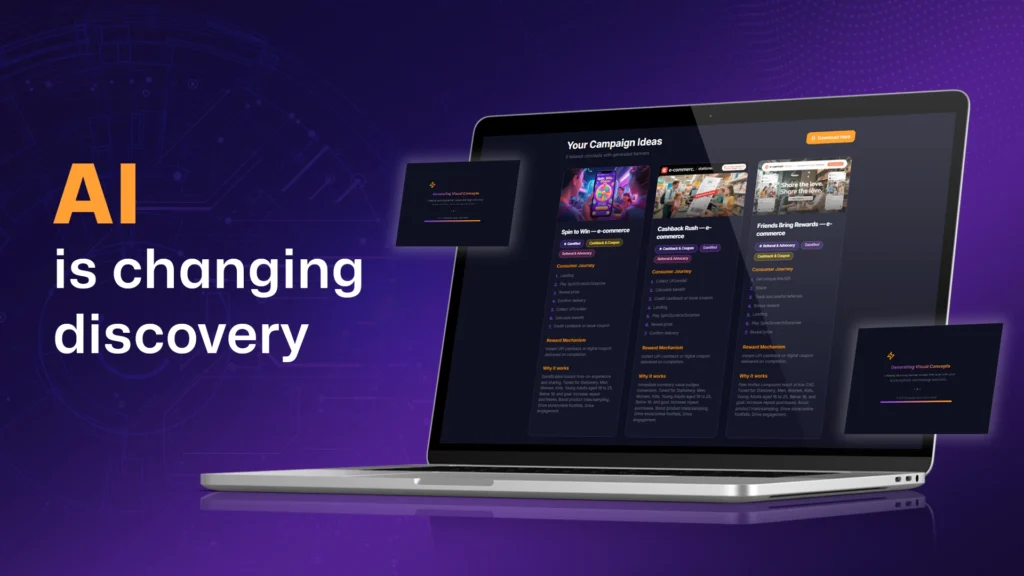
4. AI is changing discovery, whether we like it or not
A subtle shift that most marketers might be underestimating. Consumers are increasingly using AI tools to research products before they land on your site. They’re asking questions like:
“Best loyalty program for grocery.”
“Which brand gives real cashback?”
“Top electronics with instant rewards.”
This means:
- Your brand must show up in AI summaries.
- Your reward propositions must be clear.
- Your value story must be structured.
And once they land on your website or app, personalisation need not just be cosmetic. It can’t stop at “Hi, Neha.”
It has to influence:
- Offer amount
- Reward type
- Communication timing
- Channel preference
For example, if someone always buys mid-tier SKUs, pushing a premium-only reward mechanic doesn’t make sense. If someone is highly price-sensitive, maybe cashback works better than tier-based exclusivity. Personalisation should feel intelligent and considerate.
5. Emotional loyalty is replacing transactional loyalty
You probably know this already. When you ask someone what brand they remember from last year’s consumer promotions. They won’t say, “I earned 780 points.”
They’ll say:
“I got a surprise movie voucher.”
“They gave me early access before the sale went live.”
“I felt like I was part of something.”
Emotional brand recall is so so powerful.
And no, this doesn’t mean you need to build luxury pop-ups.
It can be:
- Early access for loyal buyers
- Tier-based private offers
- Experience-based rewards
- Value-aligned incentives
Even something as simple as showing customers how much they’ve saved over the year changes perception. It shifts the narrative from “transaction” to “relationship”. And that’s what builds retention.
Remember – If everyone gets everything, nothing feels special.
6. Batch-and-blast emails are quietly killing loyalty
Let’s say this clearly.
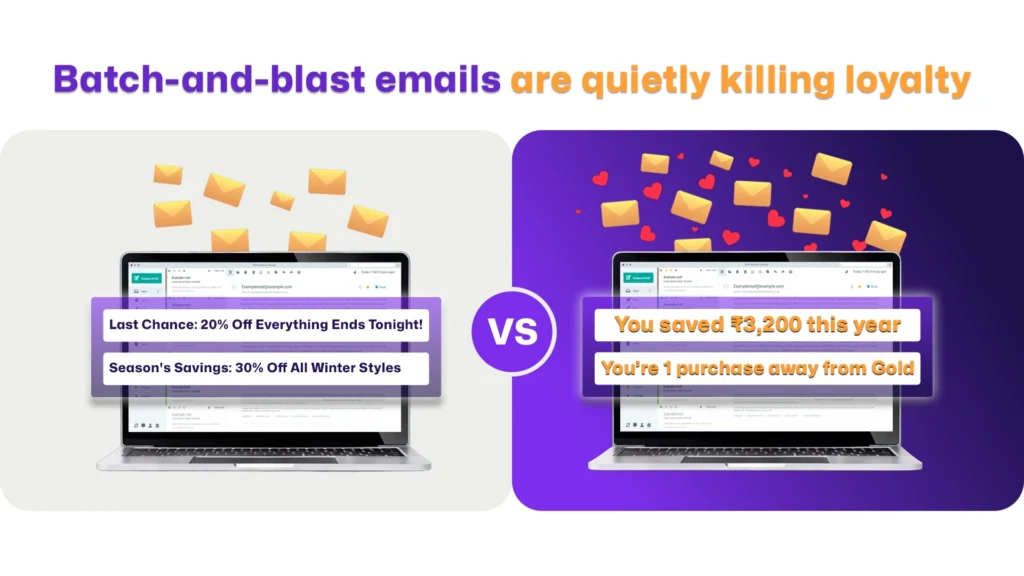
Most of us have inboxes full of “Flat 20% Off This Weekend” emails. We skim. We ignore. Sometimes we unsubscribe.
Now imagine this instead:
“You saved ₹3,200 with us this year.”
“You’re 1 purchase away from Gold Tier.”
“Your cashback expires in 48 hours.”
That’s useful. That’s specific. That builds momentum. That feels like the brand is paying attention.
In 2026, volume without context will feel careless.
7. ROI is no longer a nice-to-have metric
This one is less visible but very real inside organisations. Leadership teams are asking tougher questions.
Not:
“How many registrations did we get?”
But:
“Did repeat purchase improve?”
“Did churn drop?”
“Did distributor off-take increase?”
“Did we protect margin?”
Consumer Promotions and loyalty are being evaluated like investment instruments. Which honestly makes sense. If incentives are behavioural tools, they should drive measurable behaviour.
That’s pushing brands to think structurally instead of tactically.
So what should you actually do differently?
If you’re planning 2026 consumer promotions campaigns, here’s your cheat code:
Instead of starting with:
“What offer should we run this quarter?”
Try starting with:
“What behaviour do we need to build?”
Promotions are a behavioural architecture. And when you design them with that lens, they stop feeling random.
Final Thought on Consumer Promotions
In 2026, loyalty is fragile. Consumers switch fast. Trend loyalty is real. Value perception changes quickly.
The brands that survive will be the ones designing structured, intelligent incentive systems. If you’re planning your next cycle right now, maybe the real question isn’t “What’s the next big offer?”
Maybe it’s:
“Are we building short-term spikes… or long-term behaviour?”
If this made you rethink how you’re planning your next campaign cycle, send it to your team. Let’s build smarter promotions in 2026. Let the difference show up.
For more info, write to us at [email protected] or follow our journey on LinkedIn by clicking here.