

A marketer’s honest take.Most rewards disappear the moment they’re used. Experiential rewards do the opposite: they linger. A small moment. A different kind of attention. A feeling that says, “They actually thought this through.” That’s what makes an experience memorable. Not drama. Not budget. Simple: Just relevance.
Here’s a grounded way to build experiential rewards that stick and fit neatly into your Reward Campaigns without the noise.
1. Start With Reality
2. Build Around One Clear Emotion
3. Keep the Experience Short
4. Let the Customer Lead the Moment
5. Use Familiar Settings
6. Personal, Without Pretending to Be Intimate
7. Give Access Instead of Gifts
8. Make It Effortless
9. Let the Experience Speak for Itself
10. Close the Loop With Something Simple
Let’s dive into it!
1. Start With Reality
Before thinking of hot-air balloon rides and sky villas, ask one basic question: “Would someone genuinely want this in the middle of their week?” Experiences collapse when they’re disconnected from real life. Customers don’t crave extravagance. They crave convenience, thoughtfulness and a breather from the day.
Most effective experiential rewards come from everyday needs. Something we see often when building Consumer Promotions for brands.
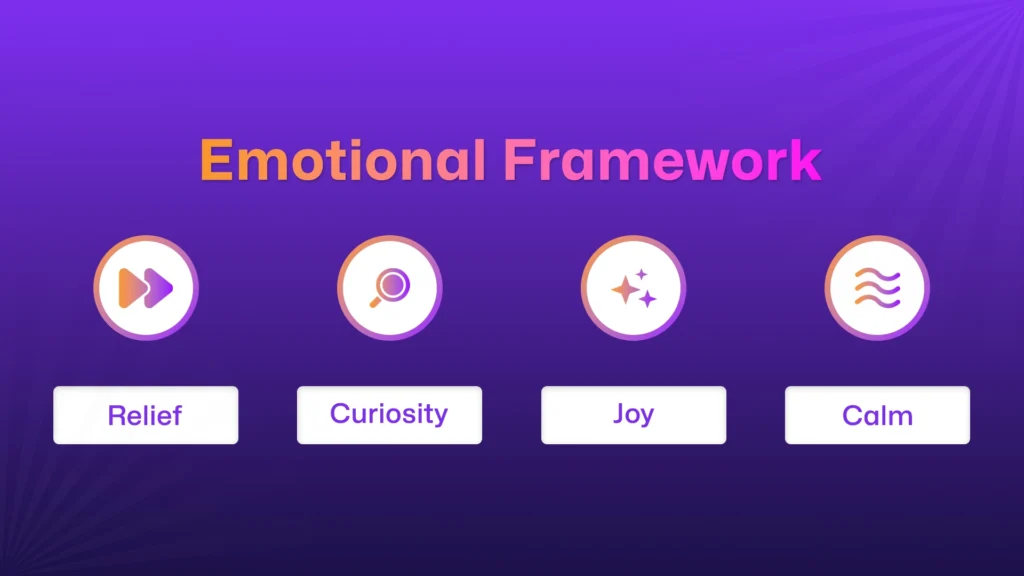
2. Build Around One Clear Emotion
Experiences work when they give customers a single, focused feeling.
Some examples:
- Relief → priority service, quick billing
- Curiosity → tastings, trials, backstage access
- Joy → small celebration at checkout
- Calm → a personalised, low-crowd slot
Pick one emotion. Design the reward around it. Emotion gives structure to the experience.
3. Keep the Experience Short
Long experiences look good in presentations, not in real life. People value moments they can enjoy without planning. A good experiential reward should actually feel like a break. Minutes. Not hours.
4. Let the Customer Lead the Moment
The experience shouldn’t feel choreographed. Give customers freedom to choose how and when they enjoy their reward. Flexibility itself becomes part of the experience. Something we enable often in Digital Coupon based flows.
5. Use Familiar Settings
You don’t need a special venue. The best experiences happen in places customers already trust. Think for example – your store, your delivery, and your website. A familiar space makes the experience feel natural and unforced.
6. Personal, Without Pretending to Be Intimate
People don’t want brands to “know everything”. They just want signs that someone paid attention.
Tiny cues work:
- an upgrade that matches their taste
- a category suggestion based on past use
- a gesture linked to their buying rhythm
This is where 1st-party data becomes practical instead of performative.
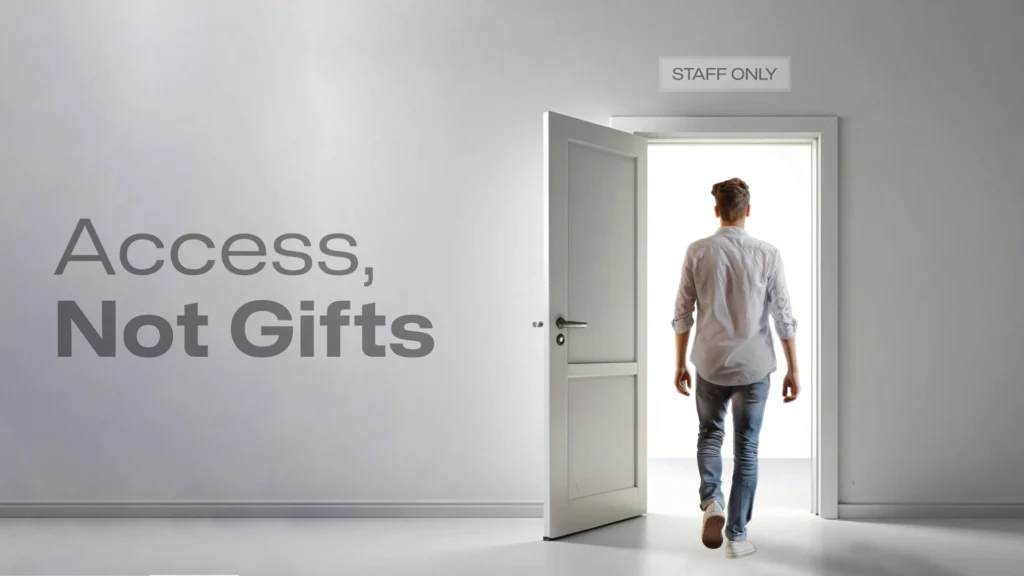
7. Give Access Instead of Gifts
People remember access. Example – early previews, expert sessions, behind-the-scenes moments. These feel premium without being loud. Access creates a quiet kind of exclusivity that merchandise can’t match.
8. Make It Effortless
If the customer needs to fill forms, wait for verification or decode fine print, the experience is gone before it starts. Reward journeys should be friction-free and fast. Something core to Buyerr’s Loyalty Solutions. Ease is the experience.
9. Let the Experience Speak for Itself
If an experience is genuinely interesting, it will travel. Usually in group chats, not social media. Design something worth sharing and then let people decide if they want to share it.
10. Close the Loop With Something Simple
After the experience, follow up with a small gesture. A thank-you note. A tiny add-on. A message that acknowledges their presence. Quiet closure makes the moment feel complete and most importantly, thoughtful.
Experiential Rewards Work Because They Stay With People
Not in photos. Not in campaigns. But in the way the customer remembers how you treated them on an ordinary day.
If your experience reinforces that feeling, the loyalty will follow.
Connect with us on Buyerr LinkedIn for the latest updates and industry trends.


