A simple guide for brands that want loyalty without overcomplicating it.
Retail loyalty programs have changed. Discounts no longer impress anyone. Apps feel crowded. And customers today have a “show me, don’t tell me” attitude. Yet loyalty is still possible… just not in the old punch-card way.
Here’s what actually works now.
- Keep the program stupidly simple
- Make the first reward come fast
- Go beyond discounts (Most people are bored with them)
- Make personalisation quiet, not creepy
- Encourage actions that create momentum
- Use data to improve both your dashboard and your customer’s day
- Make rewards feel like a sweet treat
- Show customers they matter (without loud announcements)
- Test, Tweak, Repeat: Loyalty is not a One-Time Project
- Make the program feel like your brand
Let’s get to it!
1. Keep the Loyalty Program Stupidly Simple
People don’t have the patience to decode a rewards system. If your program needs a flowchart, it’s already losing. Think of the way London commuters use their Oyster: tap in, tap out, done. No drama. Your loyalty program experience should feel the same. Let’s say short steps, quick wins, and zero mental maths. Not complicated. If you’re building from scratch, a platform that supports straightforward, friction-free loyalty logic helps, like the kind used in Consumer Loyalty solutions.
2. Make the First Reward Come Fast
Urban customers move quickly. If the first reward is three months away, they’ll forget you by lunchtime. Early gratification is momentum. A small, instant “you’re in” benefit makes the program feel alive. Tools like Cashback & Digital Coupons can make those first wins feel easy and immediate.
3. Go Beyond Discounts (Most People Are Bored of Them)
A discount is helpful, yes. But it rarely creates loyalty. People remember experiences, access, or clever personal touches.
Examples that work well in modern retail:
- Priority billing on busy weekends
- Early access to a new drop
- Free personalisation at checkout
- A surprise “thank you” gift after a big purchase
- Rewards that fit city life: coffee vouchers, travel perks, micro-experiences
4. Make Personalisation Quiet, Not Creepy
Avoid the “we scanned your life” tone. Instead, use subtle signals: recommend only what’s relevant, avoid over-targeting, use their preferred channel, and remember small preferences like size, style, allergens, or favourite flavour. Good personalisation should feel like the store assistant who recognises you and doesn’t overshare. This gets easier when you have 1st-party data flowing in through Consumer Promotions and research tools.
5. Encourage Actions That Create Momentum
Loyalty works when the program appreciates the full relationship, beyond the transaction. You can reward for: feedback, referrals, social engagement, visiting a store, trying a new category, or returning packaging (for sustainable brands). This builds a richer relationship and diversifies your data. Our Channel Partner Programs also use this behaviour-led approach for trade loyalty.
6. Use Data to Improve Both Your Dashboard and Your Customer’s Day
Data matters. But customers don’t care how sophisticated your analytics are. They only care about how the loyalty program makes them feel. This means data should lead to better timing, more relevant rewards, smoother store visits, fewer annoying notifications, and more thoughtful surprises. When data improves the experience, loyalty becomes natural instead of forced. Brand teams usually get this visibility through the Consumer Insights & Research ecosystem.
7. Make Rewards Feel Like a Sweet Treat
A loyalty reward should feel like a good moment, not a checkout chore. If a customer has to log in, enter a code, scan two screens, and read fine print — it’s no longer a reward. Ease is the reward. Simple redemption journeys are possible through Digital Coupons and app-free flows.
8. Show Customers They Matter (Without Loud Announcements)
Loyalty is built through quiet, consistent proof. Urban customers especially value small signals of respect: smooth returns, transparent communication, no hidden conditions, apologies when you get things wrong, and fixing issues quickly without debate. A brand that treats people well earns loyalty without needing to shout about it.
9. Test, Tweak, Repeat: Loyalty Is Not a One-Time Project
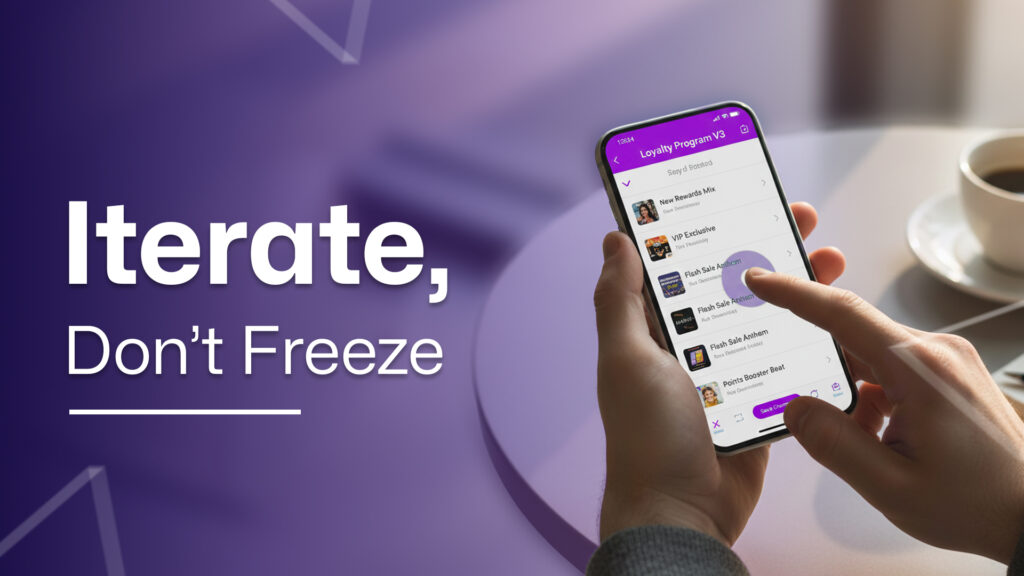
Most retail brands launch a loyalty program… and then freeze it for years. But customer expectations shift far too quickly for a “set and forget” approach. Review what’s working. Retire what’s not. Introduce fresh rewards. Think of your programme like a café playlist: change it often enough so regulars don’t get bored. If you need support, Buyerr’s Loyalty Solutions makes iteration easier than an overhaul.
10. Make the Program Feel Like Your Brand
A loyalty program should feel like an extension of your brand personality. If the brand is warm, rewards should feel warm. If the brand is energetic, the program should feel playful. If the brand is premium, rewards should feel curated. Consistency builds trust, and trust builds loyalty.
Why a Loyalty Program for Retail Brands Is Now a Commercial Necessity
Customer acquisition costs in Indian retail have risen sharply over the past three years. Performance marketing costs more, organic reach is shrinking, and one-time buyers are harder to convert into repeat customers without a structured reason to return. A well-designed loyalty program for retail brands addresses all three problems simultaneously — it reduces dependence on paid acquisition, creates a reason to return that does not depend on discounting, and builds a first-party data asset that improves every subsequent campaign.
The numbers reinforce the case. Increasing customer retention by just 5% can increase profits by 25 to 95%. Loyal customers spend 67% more per purchase than new ones. And brands with structured loyalty solutions consistently outperform those relying on transactional promotions alone over a three-year horizon. The question for most retail brands is no longer whether to build a loyalty program — it is how to build one that actually changes customer behaviour rather than just rewarding behaviour that would have happened anyway.
Consumer Loyalty vs. Channel Loyalty: Getting the Architecture Right
Many retail brands conflate two different loyalty challenges. The first is consumer loyalty — building a direct relationship with the end buyer, rewarding repeat purchase, and creating brand preference that persists even when a competitor runs a promotion. The second is channel loyalty — motivating the distributors, retailers, and trade partners who stock and recommend your product.
Both matter. But they require different mechanics, different reward currencies, and different data strategies. Buyerr’s Consumer Loyalty solution is built for the end-buyer relationship — creating a programme architecture that is simple enough for a first-time participant to understand and valuable enough for a long-term buyer to stay engaged. Alongside this, the Channel Partner Program addresses the trade side — ensuring that the retailers and distributors who interact with your consumer every day are motivated to recommend and stock your brand. Getting both layers working together is what separates a loyalty programme that shifts real volume from one that collects sign-ups.
Also Read: Motivating Channel Partners: Incentives and Training
What a High-Performing Loyalty Program for Retail Brands Looks Like in Practice
The best loyalty programmes in Indian retail today share a few structural characteristics that go beyond the ten best practices listed above. First, they are built on first-party data from day one — every interaction, redemption, and preference signal is captured and stored in a way that feeds future campaign decisions. Second, they use a cashback or digital coupon mechanic for instant gratification alongside a longer-term tier or points structure that incentivises sustained engagement. Third, they integrate seamlessly with the brand’s existing retail footprint — whether that is general trade, modern trade, or e-commerce — so the consumer has a consistent experience regardless of where they buy.
Practically, this means a consumer who buys at a kirana store can scan a QR code on-pack to register, earn a reward instantly via UPI, and be recognised the next time they buy through the same mechanism — without needing an app, a login, or a points card. The friction is removed at every step. The brand gets the data. The consumer gets the reward. And the next purchase is more likely than it would have been without the programme.
If you are building or redesigning a loyalty program for retail brands, explore how Buyerr’s loyalty solutions can help you design the right architecture for your category, your consumer, and your channel. Or get in touch directly to discuss your specific requirements.
In the End, Loyalty Comes from How You Treat People
Not points. Not apps. Not tiers. Just the everyday feeling your brand gives a customer: in-store, online, after-sales, everywhere. A loyalty program is only the structure. The real loyalty is the behaviour you reinforce, the respect you show, and the small moments you get right.
Connect with us on Buyerr LinkedIn for the latest updates and industry trends.